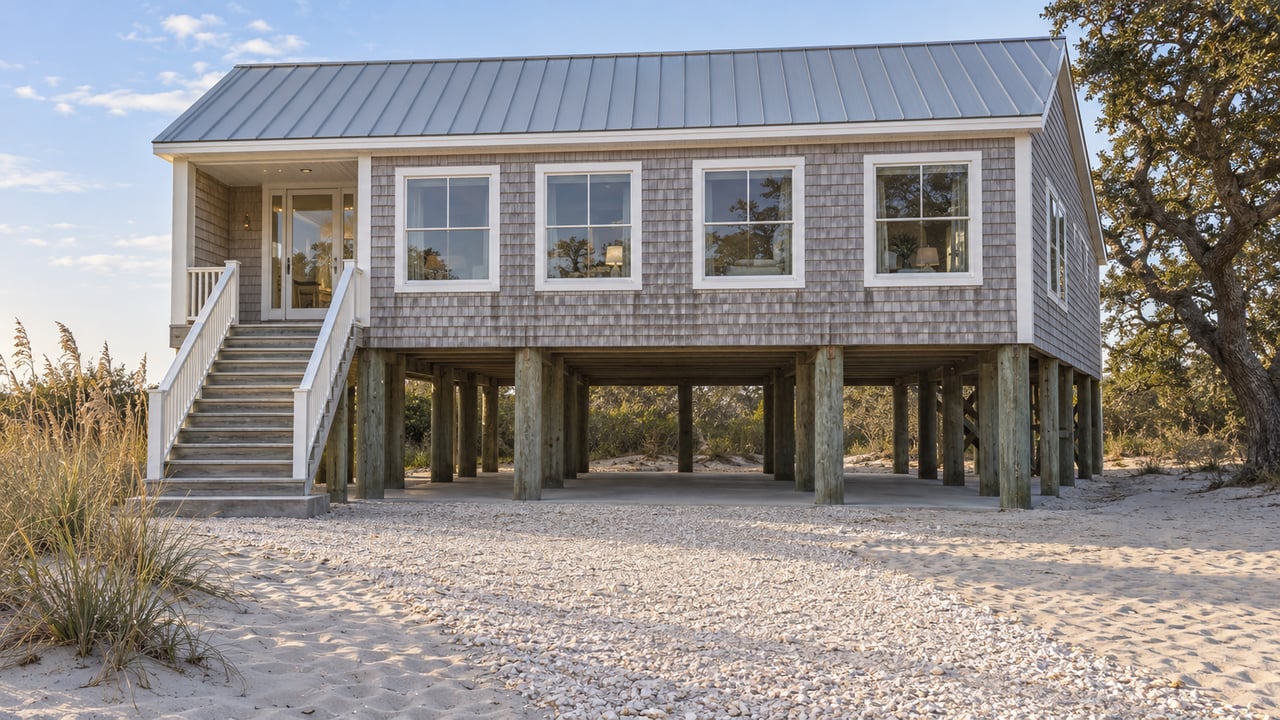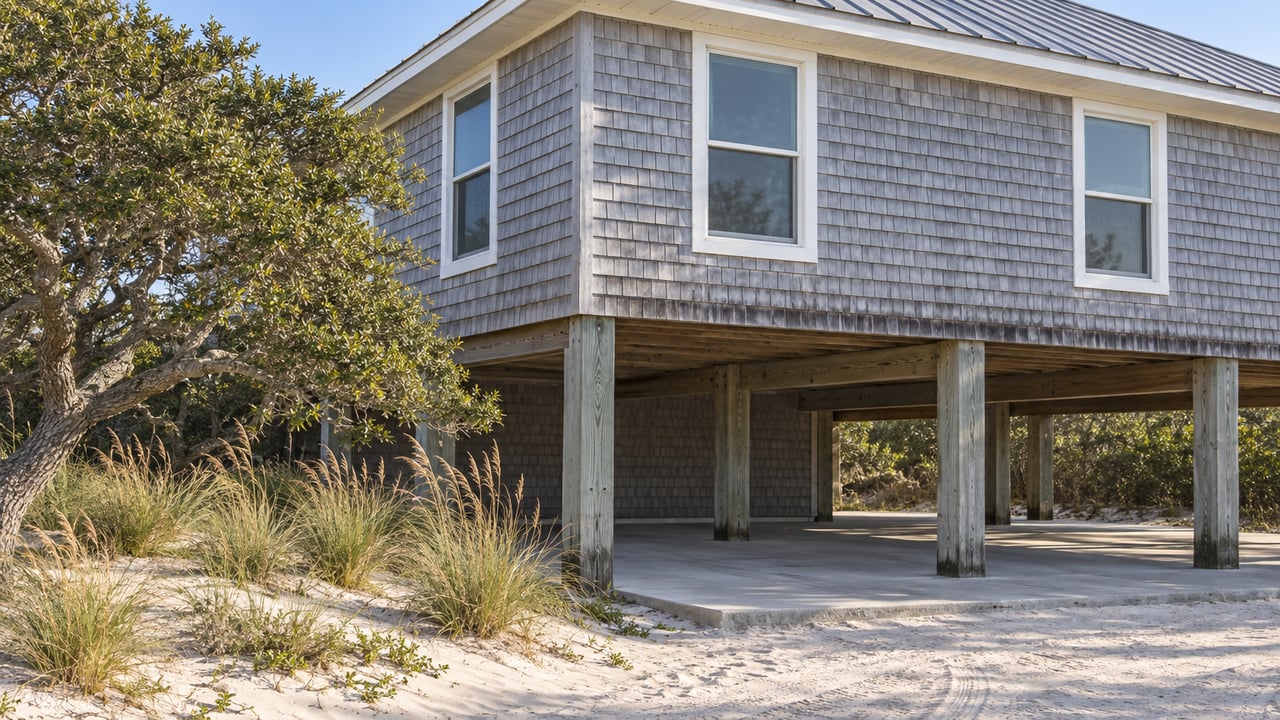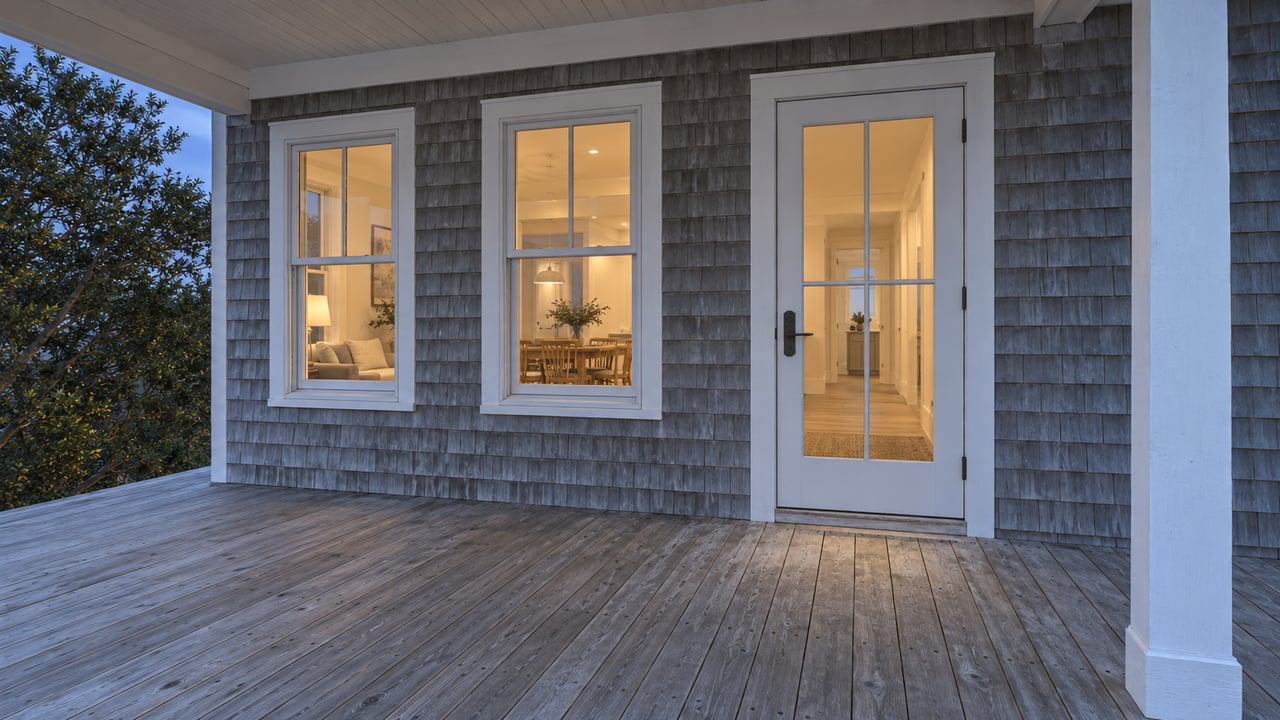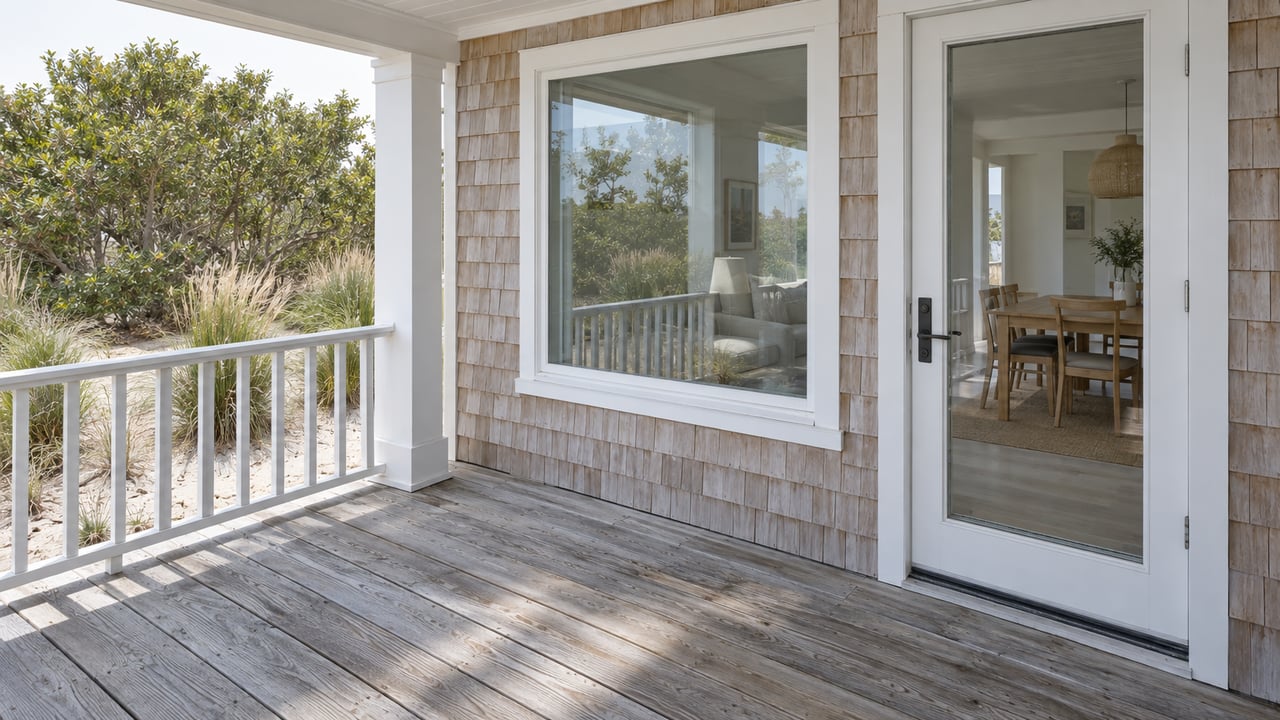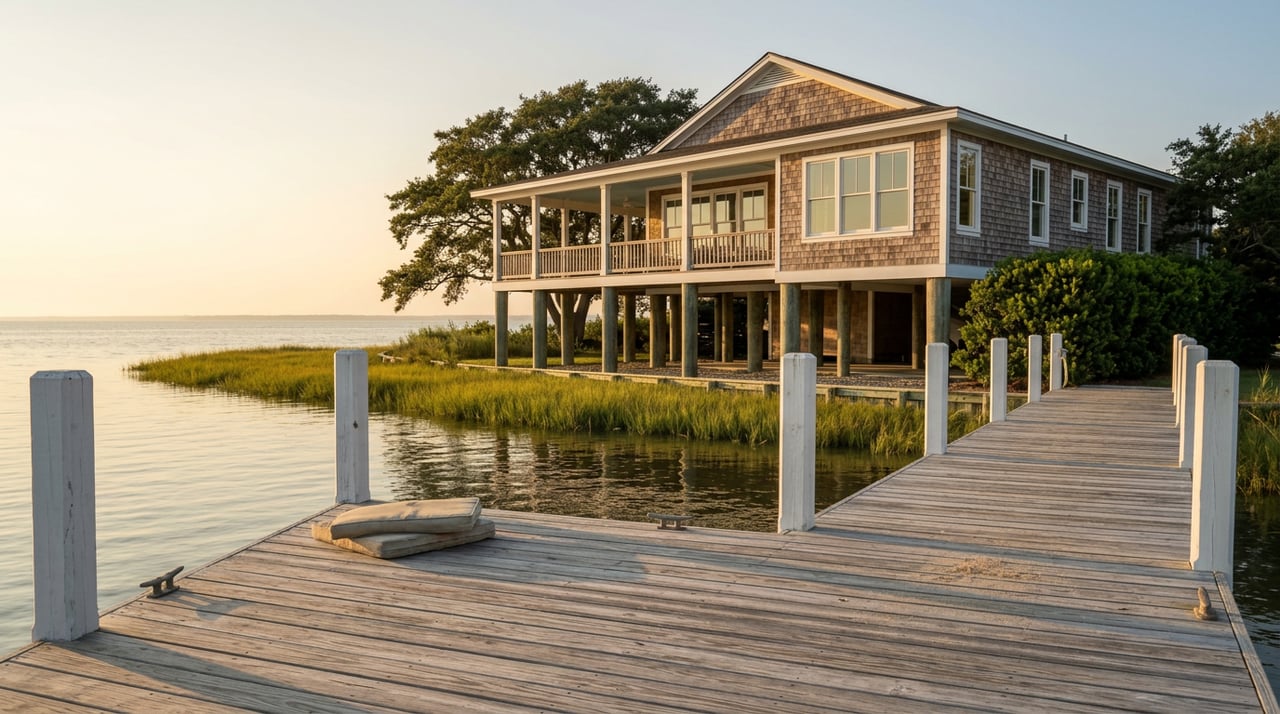
The listing photo shows a weathered pier reaching into the Currituck Sound, a crab trap hanging off the end, the kind of image that sells a soundfront lot in Duck before a buyer even reads the square footage. What the photo doesn't show is which office actually authorized that structure to exist, or whether the septic system tucked behind the house can legally support the fifth bedroom the buyer is already planning to add. Those are two separate questions, decided by two separate government offices, on two timelines that have nothing to do with each other.
Most waterfront due diligence on the Outer Banks starts and ends with the deed: does this parcel touch the water, yes or no. In Duck, that's the wrong finish line. Owning waterfront is only the starting point for investigating what can be built there, and it does not tell you whether the ground behind the house can carry the wastewater load of the house you want to build.
The dock question belongs to a state office, not the town
Duck's own Community Development Department is the first stop for any waterfront project, but the town's authority is narrower than most buyers assume. According to the Town of Duck's own CAMA guidance, the town handles minor permits and exemption certificates locally, while anything larger, meaning most standard piers, docks, and bulkheads, gets filed with the Elizabeth City field office of the NC Division of Coastal Management. If the project sits on the oceanfront, the town also has to prepare and the owner has to sign an AEC Hazard Notice before the file can even move.
The dimensional rules that govern what can actually get built are set at the state level under the Coastal Area Management Act, and they're specific enough to change the math on a narrow lot. A dock has to sit at least 15 feet back from where the adjacent property lines would project into the water, a setback that can only be waived by written agreement between neighboring riparian owners or when two adjoining owners apply together. Total platform area is capped at roughly 8 square feet of shaded impact per linear foot of shoreline, topping out at 800 square feet for a typical single-family pier. The structure also has to stay private: no more than two boats, and no commercial or rental use of the dock itself.
Here's where Duck's geography actually matters. The town's incorporated limits run a narrow strip between the Atlantic and the Currituck Sound, and a lot of the soundfront and canalfront parcels along that strip are noticeably tighter than the big oceanfront lots the town is known for. A 15-foot setback eaten out of each side of a 60-foot-wide lot removes half the usable water frontage before a single piling goes in the ground. On a wider oceanfront parcel, that same setback barely registers. The rule is identical everywhere in the state. What it costs a buyer in usable water access depends entirely on how wide the specific lot is, which is exactly the kind of detail a listing sheet never mentions.
An existing dock is not proof of a permit
A pier already standing on the property doesn't answer the permit question. It answers the "does something exist" question. Structures built decades ago, before current recordkeeping, or repaired and enlarged along the way without a fresh filing, are common enough that due diligence has to include asking for the paper, not just looking at the photo.
That means requesting the actual CAMA permit record for the dock, comparing it against what's currently built, and paying attention if the structure looks like it's been rebuilt or extended since the original approval.
The septic office runs on its own clock entirely
While the dock question sits with a state agency in Elizabeth City, septic permitting for Duck is handled at the county level, according to the Town of Duck. Septic permitting for Duck runs through Dare County Environmental Health, out of a satellite office in Kill Devil Hills, and it is a completely separate process from anything the town or the state coastal office handles.
According to JM Septic, North Carolina overhauled its septic rules effective January 1, 2024, and the current framework under the state's onsite wastewater code requires three sequential approvals across the installation process:
- An Improvement Permit, which follows a site evaluation confirming the lot can support a system in its current condition
- A Construction Authorization, issued once a licensed designer's system plan matches the conditions documented in the Improvement Permit
- An Operation Permit, issued only after a county inspector verifies the system was installed exactly as approved
That sequence isn't optional paperwork. Duck's own building department has been direct about the trigger: most building permits that expand a home's footprint or change its occupancy or heated square footage require sign-off from Dare County Environmental Health before the town will issue anything. A buyer picturing a bonus room converted into a sixth bedroom, or a downstairs storage area finished into living space, is picturing a project that has to clear the county health department first, on its own schedule, regardless of what the town or the state coastal office says.
Where the two offices end up looking at the same patch of yard
The two systems rarely intersect, except on exactly the kind of lot this article is about. Coastal septic work near an estuarine shoreline can trigger CAMA review on top of the standard county health permits, since setback requirements near wetlands and the sound are stricter than they are inland. A buyer on a tight soundfront lot in Duck who wants to both rebuild the pier and expand the septic drainfield may be asking two different offices, on two different review timelines, to sign off on overlapping square footage in the same backyard.
That is the part a listing price never captures. The house might show beautifully. The dock might look sound. The math on rental income might work perfectly on paper. None of that confirms whether the water access and the legal building capacity the buyer is counting on can actually be built, expanded, or rebuilt under current rules.
What this means before an offer goes in
A few checks are worth doing before, not after, a contract is signed on soundfront or canalfront property in Duck:
- Ask the seller for the actual CAMA permit record on any existing dock or pier, not just a visual confirmation that one exists
- If a new or larger dock is part of the plan, measure the lot's actual water frontage against the 15-foot side setback before assuming a given platform size is achievable
- Request the property's septic history directly from Dare County Environmental Health, including the Improvement Permit and Operation Permit, and confirm the legal bedroom count those documents support against what the listing advertises
- If any footprint expansion or occupancy change is planned, build in time for county health review before the town will issue a building permit
- Check subdivision covenants separately as part of due diligence
None of this makes a soundfront lot in Duck a bad idea. It makes the difference between a purchase built on a photo and one built on paperwork that actually confirms what the property can do.
A few questions buyers keep asking
Who do I actually call first, the town or the county? For anything touching the water, start with Duck's Community Development Department, which handles minor permits locally and will route larger dock or pier projects to the state's Elizabeth City office. For septic, the town isn't the authority at all. That's strictly Dare County Environmental Health.
Waterfront property in Duck rewards patience with the paperwork as much as it rewards good taste in a lot. If you're weighing a soundfront or canalfront purchase and want a second set of eyes on what a specific parcel can actually support, Ashley Massey has spent more than 26 years working these exact questions across Duck and the northern Outer Banks. Let's Connect before the offer goes in, not after.
This article is general information, not legal, tax or financial advice. Consult a qualified professional about your situation.